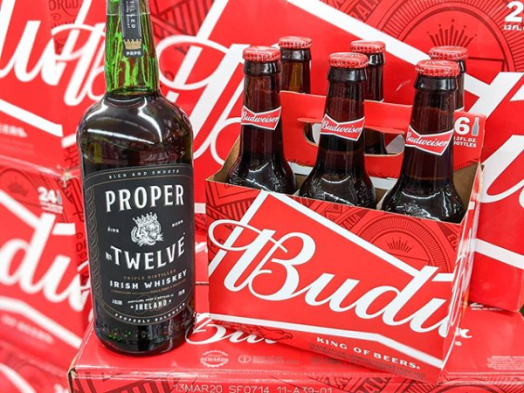
We have excellent offers on canned cider and beer this weekend at Hannon’s SuperValu…. 👉Bulmers Can Pack 8 x 500ml €12.50
👉Bulmers Light Can Pack 8 x 500ml €12.50
👉Coors Light Can Pack 8 x 500ml €12.50
👉Heineken Can Pack 8 x 500ml €12.50
👉Guinness Can Pack 8 x 500ml €12.50
The idea that drinking small amounts of alcohol will do you no harm is a myth, claims Professor David Nutt
Any food or drink contaminated with the amount of acetaldehyde that a unit of alcohol produces would be banned.
Last week I attended a discussion group chaired by the Observer’s health correspondent Denis Campbell where one of the other experts, a public health doctor, asserted that alcohol should be treated differently from tobacco (and by inference other drugs) because there is no safe dose of tobacco whereas alcohol is safe until a person’s drinking gets to “unsafe” levels. Its health benefits for the cardiovascular system are also often used to support the claim that in low doses alcohol is safe, for how else could it be health-promoting?
The myth of a safe level of drinking is a powerful claim. It is one that many health professionals appear to believe in and that the alcohol industry uses to defend its strategy of making the drug readily available at low prices. However, the claim is wrong and the supporting evidence flawed.
There is no safe dose of alcohol for these reasons:
• Alcohol is a toxin that kills cells such as microorganisms, which is why we use it to preserve food and sterilise skin, needles etc. Alcohol kills humans too. A dose only four times as high as the amount that would make blood levels exceed drink-driving limits in the UK can kill. The toxicity of alcohol is worsened because in order for it to be cleared from the body it has to be metabolised to acetaldehyde, an even more toxic substance. Any food or drink contaminated with the amount of acetaldehyde that a unit of alcohol produces would be immediately banned as having an unacceptable health risk.
• Although most people do not become addicted to alcohol on their first drink, a small proportion do. As a clinical psychiatrist who has worked with alcoholics for more than 30 years, I have seen many people who have experienced a strong liking of alcohol from their very first exposure and then gone on to become addicted to it. We cannot at present predict who these people will be, so any exposure to alcohol runs the risk of producing addiction in some users.
• The supposed cardiovascular benefits of a low level of alcohol intake in some middle-aged men cannot be taken as proof that alcohol is beneficial. To do that one would need a randomised trial where part of this group drink no alcohol, others drink in small amounts and others more heavily. Until this experiment has been done we don’t have proof that alcohol has health benefits. A recent example of where an epidemiological association was found not to be true when tested properly was hormone replacement therapy. Population observations suggested that HRT was beneficial for post-menopausal women, but when controlled trials were conducted it was found to cause more harm than good.
We must not allow apologists for this toxic industry to pull the wool over our eyes with their myth of a safe alcohol dose, however appealing it might be to all us so-called “safe” drinkers. Remember these words of a man whose great family wealth and influence was built on illegal alcohol:
“The great enemy of the truth, is very often not the lie – deliberate, contrived and dishonest – but the myth – persistent, persuasive and unrealistic. Belief in myths allows the comfort of opinion without the discomfort of thought.” John F Kennedy
The idea that drinking small amounts of alcohol will do you no harm is a myth, claims Professor David Nutt
Any food or drink contaminated with the amount of acetaldehyde that a unit of alcohol produces would be banned.
Last week I attended a discussion group chaired by the Observer’s health correspondent Denis Campbell where one of the other experts, a public health doctor, asserted that alcohol should be treated differently from tobacco (and by inference other drugs) because there is no safe dose of tobacco whereas alcohol is safe until a person’s drinking gets to “unsafe” levels. Its health benefits for the cardiovascular system are also often used to support the claim that in low doses alcohol is safe, for how else could it be health-promoting?
The myth of a safe level of drinking is a powerful claim. It is one that many health professionals appear to believe in and that the alcohol industry uses to defend its strategy of making the drug readily available at low prices. However, the claim is wrong and the supporting evidence flawed.
There is no safe dose of alcohol for these reasons:
• Alcohol is a toxin that kills cells such as microorganisms, which is why we use it to preserve food and sterilise skin, needles etc. Alcohol kills humans too. A dose only four times as high as the amount that would make blood levels exceed drink-driving limits in the UK can kill. The toxicity of alcohol is worsened because in order for it to be cleared from the body it has to be metabolised to acetaldehyde, an even more toxic substance. Any food or drink contaminated with the amount of acetaldehyde that a unit of alcohol produces would be immediately banned as having an unacceptable health risk.
• Although most people do not become addicted to alcohol on their first drink, a small proportion do. As a clinical psychiatrist who has worked with alcoholics for more than 30 years, I have seen many people who have experienced a strong liking of alcohol from their very first exposure and then gone on to become addicted to it. We cannot at present predict who these people will be, so any exposure to alcohol runs the risk of producing addiction in some users.
• The supposed cardiovascular benefits of a low level of alcohol intake in some middle-aged men cannot be taken as proof that alcohol is beneficial. To do that one would need a randomised trial where part of this group drink no alcohol, others drink in small amounts and others more heavily. Until this experiment has been done we don’t have proof that alcohol has health benefits. A recent example of where an epidemiological association was found not to be true when tested properly was hormone replacement therapy. Population observations suggested that HRT was beneficial for post-menopausal women, but when controlled trials were conducted it was found to cause more harm than good.
We must not allow apologists for this toxic industry to pull the wool over our eyes with their myth of a safe alcohol dose, however appealing it might be to all us so-called “safe” drinkers. Remember these words of a man whose great family wealth and influence was built on illegal alcohol:
“The great enemy of the truth, is very often not the lie – deliberate, contrived and dishonest – but the myth – persistent, persuasive and unrealistic. Belief in myths allows the comfort of opinion without the discomfort of thought.” John F Kennedy
The idea that drinking small amounts of alcohol will do you no harm is a myth, claims Professor David Nutt
Any food or drink contaminated with the amount of acetaldehyde that a unit of alcohol produces would be banned.
Last week I attended a discussion group chaired by the Observer’s health correspondent Denis Campbell where one of the other experts, a public health doctor, asserted that alcohol should be treated differently from tobacco (and by inference other drugs) because there is no safe dose of tobacco whereas alcohol is safe until a person’s drinking gets to “unsafe” levels. Its health benefits for the cardiovascular system are also often used to support the claim that in low doses alcohol is safe, for how else could it be health-promoting?
The myth of a safe level of drinking is a powerful claim. It is one that many health professionals appear to believe in and that the alcohol industry uses to defend its strategy of making the drug readily available at low prices. However, the claim is wrong and the supporting evidence flawed.
There is no safe dose of alcohol for these reasons:
• Alcohol is a toxin that kills cells such as microorganisms, which is why we use it to preserve food and sterilise skin, needles etc. Alcohol kills humans too. A dose only four times as high as the amount that would make blood levels exceed drink-driving limits in the UK can kill. The toxicity of alcohol is worsened because in order for it to be cleared from the body it has to be metabolised to acetaldehyde, an even more toxic substance. Any food or drink contaminated with the amount of acetaldehyde that a unit of alcohol produces would be immediately banned as having an unacceptable health risk.
• Although most people do not become addicted to alcohol on their first drink, a small proportion do. As a clinical psychiatrist who has worked with alcoholics for more than 30 years, I have seen many people who have experienced a strong liking of alcohol from their very first exposure and then gone on to become addicted to it. We cannot at present predict who these people will be, so any exposure to alcohol runs the risk of producing addiction in some users.
• The supposed cardiovascular benefits of a low level of alcohol intake in some middle-aged men cannot be taken as proof that alcohol is beneficial. To do that one would need a randomised trial where part of this group drink no alcohol, others drink in small amounts and others more heavily. Until this experiment has been done we don’t have proof that alcohol has health benefits. A recent example of where an epidemiological association was found not to be true when tested properly was hormone replacement therapy. Population observations suggested that HRT was beneficial for post-menopausal women, but when controlled trials were conducted it was found to cause more harm than good.
We must not allow apologists for this toxic industry to pull the wool over our eyes with their myth of a safe alcohol dose, however appealing it might be to all us so-called “safe” drinkers. Remember these words of a man whose great family wealth and influence was built on illegal alcohol:
“The great enemy of the truth, is very often not the lie – deliberate, contrived and dishonest – but the myth – persistent, persuasive and unrealistic. Belief in myths allows the comfort of opinion without the discomfort of thought.” John F Kennedy
The idea that drinking small amounts of alcohol will do you no harm is a myth, claims Professor David Nutt
Any food or drink contaminated with the amount of acetaldehyde that a unit of alcohol produces would be banned.
Last week I attended a discussion group chaired by the Observer’s health correspondent Denis Campbell where one of the other experts, a public health doctor, asserted that alcohol should be treated differently from tobacco (and by inference other drugs) because there is no safe dose of tobacco whereas alcohol is safe until a person’s drinking gets to “unsafe” levels. Its health benefits for the cardiovascular system are also often used to support the claim that in low doses alcohol is safe, for how else could it be health-promoting?
The myth of a safe level of drinking is a powerful claim. It is one that many health professionals appear to believe in and that the alcohol industry uses to defend its strategy of making the drug readily available at low prices. However, the claim is wrong and the supporting evidence flawed.
There is no safe dose of alcohol for these reasons:
• Alcohol is a toxin that kills cells such as microorganisms, which is why we use it to preserve food and sterilise skin, needles etc. Alcohol kills humans too. A dose only four times as high as the amount that would make blood levels exceed drink-driving limits in the UK can kill. The toxicity of alcohol is worsened because in order for it to be cleared from the body it has to be metabolised to acetaldehyde, an even more toxic substance. Any food or drink contaminated with the amount of acetaldehyde that a unit of alcohol produces would be immediately banned as having an unacceptable health risk.
• Although most people do not become addicted to alcohol on their first drink, a small proportion do. As a clinical psychiatrist who has worked with alcoholics for more than 30 years, I have seen many people who have experienced a strong liking of alcohol from their very first exposure and then gone on to become addicted to it. We cannot at present predict who these people will be, so any exposure to alcohol runs the risk of producing addiction in some users.
• The supposed cardiovascular benefits of a low level of alcohol intake in some middle-aged men cannot be taken as proof that alcohol is beneficial. To do that one would need a randomised trial where part of this group drink no alcohol, others drink in small amounts and others more heavily. Until this experiment has been done we don’t have proof that alcohol has health benefits. A recent example of where an epidemiological association was found not to be true when tested properly was hormone replacement therapy. Population observations suggested that HRT was beneficial for post-menopausal women, but when controlled trials were conducted it was found to cause more harm than good.
We must not allow apologists for this toxic industry to pull the wool over our eyes with their myth of a safe alcohol dose, however appealing it might be to all us so-called “safe” drinkers. Remember these words of a man whose great family wealth and influence was built on illegal alcohol:
“The great enemy of the truth, is very often not the lie – deliberate, contrived and dishonest – but the myth – persistent, persuasive and unrealistic. Belief in myths allows the comfort of opinion without the discomfort of thought.” John F Kennedy