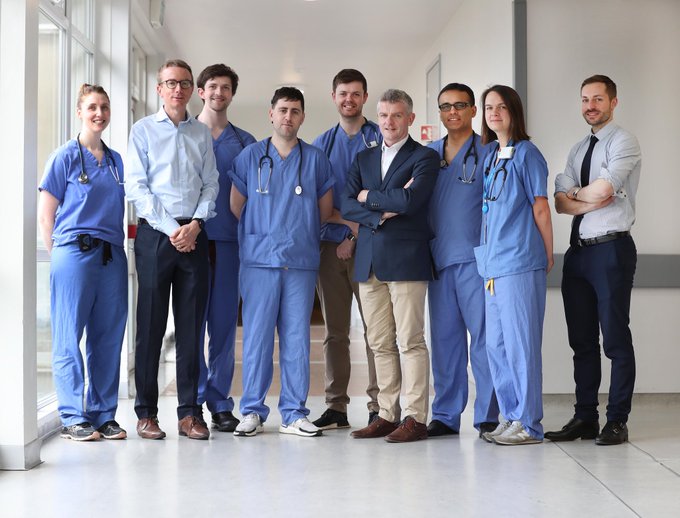
The average Irish adult consumed 9.49 liters of pure alcohol, a decrease of 4.5% from the previous year, a new report shows

Alcohol consumption by Irish adults fell by 4.5% last year, continuing a downward trend recorded over the last 25 years, a new report shows.

The report, commissioned by the Drinks Industry Group of Ireland (DIGI), shows that average alcohol consumption per adult fell by 4.5% last year to 9.49 litres of pure alcohol. This is a drop of more than one third (34.3%) since 2001.

DIGI said the figures demonstrated that Irish people are increasingly drinking alcohol in moderation.

Beer remains Ireland’s most popular drink with more than 43% of the market, with wine in second place at 28%. Meanwhile, consumption of spirits fell to 22% while cider consumption fell to 6%.

The report follows other recent data which showed that alcohol consumption in Ireland is now at average European levels. OECD data for 2022 revealed that consumption in Ireland ranks behind France, Spain and Austria, amongst others.

A separate report by the Health Research Board last year also indicated that Ireland’s alcohol consumption was at average levels by EU or OECD standards.

Secretary of DIGI and CEO of The Licensed Vintners Association, Donall O’Keefe, said: “Today’s figures offer clear proof of what many of us already know – Irish people are increasingly drinking in a restrained manner, with consumption continuing the downward trajectory that has been recorded since the millennium.

“In contrast to the negative stereotypes that once existed, alcohol consumption in Ireland is now at average European levels, with the purchase of non-alcoholic drinks continuing to increase.

“This downward trend also raises the obvious question as to why Ireland continues to have the second highest excise rates on alcohol in Europe. Given that we now consume alcohol at average European levels it makes sense that we should pay excise at average European levels also,” said Mr O’Keefe.

He said “hundreds of small rural pubs and restaurants are struggling for survival due to repeated increases in the cost of doing business”.

He said that a cut in excise would “offer these businesses an opportunity to continue acting as vital hubs in their communities, as well as a crucial part of our tourism product”.

“DIGI will be seeking a 10% cut in excise in this year’s Budget as an urgent measure to give [rural] businesses a fighting chance of survival,” said Mr O’Keefe.

The DIGI report was compiled by Anthony Foley, Associate Professor Emeritus at Dublin City University, using data from the CSO population and migration estimates for April 2024 and the Revenue Commissioners’ alcohol clearances data.
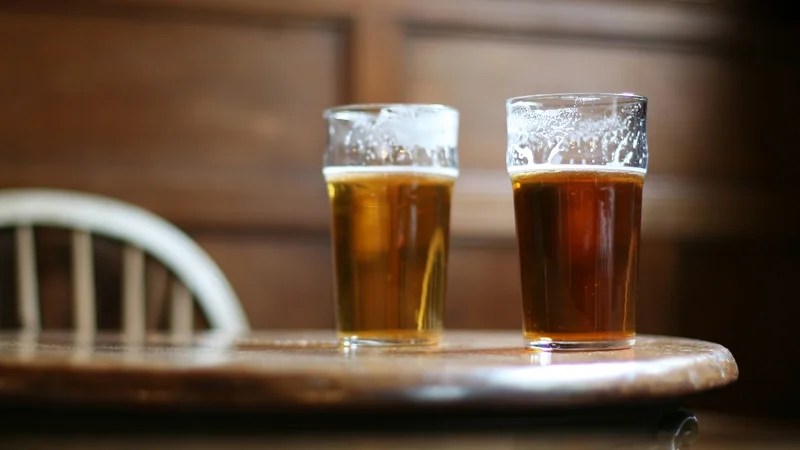
The average Irish adult consumed 9.49 liters of pure alcohol, a decrease of 4.5% from the previous year, a new report shows

Alcohol consumption by Irish adults fell by 4.5% last year, continuing a downward trend recorded over the last 25 years, a new report shows.

The report, commissioned by the Drinks Industry Group of Ireland (DIGI), shows that average alcohol consumption per adult fell by 4.5% last year to 9.49 litres of pure alcohol. This is a drop of more than one third (34.3%) since 2001.

DIGI said the figures demonstrated that Irish people are increasingly drinking alcohol in moderation.

Beer remains Ireland’s most popular drink with more than 43% of the market, with wine in second place at 28%. Meanwhile, consumption of spirits fell to 22% while cider consumption fell to 6%.

The report follows other recent data which showed that alcohol consumption in Ireland is now at average European levels. OECD data for 2022 revealed that consumption in Ireland ranks behind France, Spain and Austria, amongst others.

A separate report by the Health Research Board last year also indicated that Ireland’s alcohol consumption was at average levels by EU or OECD standards.

Secretary of DIGI and CEO of The Licensed Vintners Association, Donall O’Keefe, said: “Today’s figures offer clear proof of what many of us already know – Irish people are increasingly drinking in a restrained manner, with consumption continuing the downward trajectory that has been recorded since the millennium.

“In contrast to the negative stereotypes that once existed, alcohol consumption in Ireland is now at average European levels, with the purchase of non-alcoholic drinks continuing to increase.

“This downward trend also raises the obvious question as to why Ireland continues to have the second highest excise rates on alcohol in Europe. Given that we now consume alcohol at average European levels it makes sense that we should pay excise at average European levels also,” said Mr O’Keefe.

He said “hundreds of small rural pubs and restaurants are struggling for survival due to repeated increases in the cost of doing business”.

He said that a cut in excise would “offer these businesses an opportunity to continue acting as vital hubs in their communities, as well as a crucial part of our tourism product”.

“DIGI will be seeking a 10% cut in excise in this year’s Budget as an urgent measure to give [rural] businesses a fighting chance of survival,” said Mr O’Keefe.

The DIGI report was compiled by Anthony Foley, Associate Professor Emeritus at Dublin City University, using data from the CSO population and migration estimates for April 2024 and the Revenue Commissioners’ alcohol clearances data.
Alcohol consumption by Irish adults fell by 4.5% last year, continuing a downward trend recorded over the last 25 years, a new report shows @rtenews

Alcohol consumption by Irish adults fell by 4.5% last year, continuing a downward trend recorded over the last 25 years, a new report shows.

The report, commissioned by the Drinks Industry Group of Ireland (DIGI), shows that average alcohol consumption per adult fell by 4.5% last year to 9.49 litres of pure alcohol. This is a drop of more than one third (34.3%) since 2001.

DIGI said the figures demonstrated that Irish people are increasingly drinking alcohol in moderation.

Beer remains Ireland’s most popular drink with more than 43% of the market, with wine in second place at 28%. Meanwhile, consumption of spirits fell to 22% while cider consumption fell to 6%.

The report follows other recent data which showed that alcohol consumption in Ireland is now at average European levels. OECD data for 2022 revealed that consumption in Ireland ranks behind France, Spain and Austria, amongst others.

A separate report by the Health Research Board last year also indicated that Ireland’s alcohol consumption was at average levels by EU or OECD standards.

Secretary of DIGI and CEO of The Licensed Vintners Association, Donall O’Keefe, said: “Today’s figures offer clear proof of what many of us already know – Irish people are increasingly drinking in a restrained manner, with consumption continuing the downward trajectory that has been recorded since the millennium.

“In contrast to the negative stereotypes that once existed, alcohol consumption in Ireland is now at average European levels, with the purchase of non-alcoholic drinks continuing to increase.

“This downward trend also raises the obvious question as to why Ireland continues to have the second highest excise rates on alcohol in Europe. Given that we now consume alcohol at average European levels it makes sense that we should pay excise at average European levels also,” said Mr O’Keefe.

He said “hundreds of small rural pubs and restaurants are struggling for survival due to repeated increases in the cost of doing business”.

He said that a cut in excise would “offer these businesses an opportunity to continue acting as vital hubs in their communities, as well as a crucial part of our tourism product”.

“DIGI will be seeking a 10% cut in excise in this year’s Budget as an urgent measure to give [rural] businesses a fighting chance of survival,” said Mr O’Keefe.

The DIGI report was compiled by Anthony Foley, Associate Professor Emeritus at Dublin City University, using data from the CSO population and migration estimates for April 2024 and the Revenue Commissioners’ alcohol clearances data.

18-hour alcohol advertising crackdown comes into force @rtenews. Likely to have little effect, majority of alcohol activity is on social media where the drinks companies target young audiences without restraint.


By Dimitri O’Donnell

RTÉ News

An 18-hour crackdown on TV and radio alcohol advertising has officially come into force.

The watershed ban ensures a daytime broadcasting ban on alcohol advertising, with no advertisements for alcohol products on television from 3am to 9pm and on radio on a weekday from 3pm to 10am the following morning.

The new rules come into effect under Section 19 of the Public Health (Alcohol) Act 2018 (PHAA) and seven years after being signed into law.

Campaigners hope the new measures will help to reduce the level of exposure of alcohol marketing to children, which is considered a key driver of initiating alcohol use by children.

Alcohol Action Ireland said the ban is long overdue as Ireland is still drinking at a level 40% higher than HSE lower-risk guidelines.

“Ireland is rightly praised internationally for its leadership in passing the PHAA, which is a suite of quite modest measures designed to provide some degree of protection from the tactics of an aggressive industry acting against the population’s health through relentless marketing,” said Dr Sheila Gilheany, CEO of Alcohol Action Ireland.

”AAI and many others have strongly campaigned for years for its introduction and since it was passed alcohol consumption per capita has dropped by 10%, which is positive,” she added.

However, alcohol is estimated to kill more than 1,500 people every year and costs the State €12 billion annually.

Alcohol Action Ireland said not all sections of the PHAA have come into force despite the progress in implementing the new alcohol advertising rules.

Dr Gilheany said ‘Ireland still drinking at a level 40% higher than HSE lower-risk guidelines’

”[This] shows the power of the alcohol industry’s lobbying efforts to stymie and delay progress,” Dr Gilheany said.

The two further sections of the act in relation to advertising that remain to be commenced are Section 13 which places restrictions on the content of alcohol advertisements and Section 18 which relates to advertisements in publications.

AAI said Section 13, in particular, is ferociously resisted by the industry as it restricts the content of alcohol advertisements to facts, stripping out the industry myths which are used to promote alcohol consumption.

In addition, ads for alcohol products will be required to include health information such as cancer warnings and details of the HSE alcohol information website, with the aim of providing unbiased material about alcohol risks and to break the positive associations between alcohol and lifestyle.

“The different sections of the PHAA are designed to complement one another and the legislation’s public health benefits will only be fully realised when all the sections are enforced,” Dr Gilheany said.

“With Ireland still drinking at a level 40% higher than HSE lower-risk guidelines, this is an imperative,” she added.

The organisation said there appears to be no progress in Section 13 being progressed by the Department of Health.

”Even if commenced today, it will take three years before the section is enforced, so that would be a 10-year delay on legislation that was signed into law in 2018,” Dr Gilheany said.

Alcohol Action Ireland have called on the incoming government to fully implement all sections of the PHAA, adding that polling has suggested that more than 70% are in favour of controls on alcohol.

More stories on

Irish Distillers supplies alcohol gel to healthcare authorities..

Irish Distillers said it has the necessary products to manufacture large-scale quantities of alcohol gel.

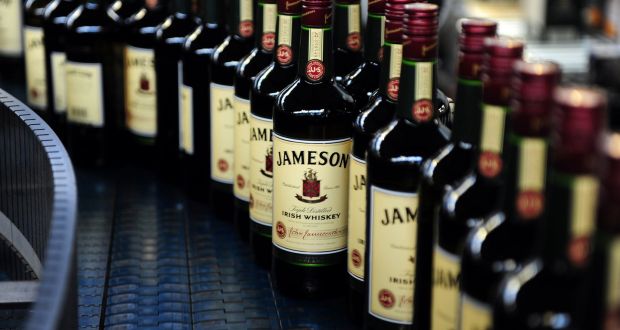
The producer of the Jameson and Powers whiskey labels is to provide healthcare authorities with large-scale quantities of alcohol gel to cope with unprecedented demand due to the coronavirus pandemic.

Alcohol gel plays a vital part in the frontline efforts of those who are fighting to contain the Covid-19 virus, and in particular for healthcare professionals working in hospital and other healthcare settings.

Irish Distillers said its distillery in Midleton, together with its partners Mervue Laboratories in Cork, have the necessary products and supply chain available to manufacture large-scale quantities of alcohol gel.

The company held meetings with the Department of Health and the Health Service Executive (HSE) earlier this week to inform them it was in a position to help meet demand.

“The demand for alcohol gel is at unprecedentedly high levels and is set to remain so for the foreseeable period,” it said.

“Large-scale quantities of alcohol is being made available free of charge by Irish Distillers.

“Production will commence immediately with end product being delivered to the HSE’s supply centre thereafter for distribution to hospitals and other healthcare facilities.

“Irish Distillers will continue to collaborate with the health authorities so as to ensure our efforts are channelled to greatest effect. We are committed to maintaining supply to the maximum levels possible for as long as possible.

“Like so many, Irish Distillers is doing what we can at a time of great national crisis. We hope that in doing so, it helps our healthcare professionals in their efforts to protect all of us from the spread of the virus.”

https://www.irishtimes.com/news/health/coronavirus-irish-distillers-to-provide-large-scale-quantities-of-alcohol-gel-1.4206218

Large-scale quantities of alcohol gel for health care authorities from Irish Distillers

Irish Distillers said it has the necessary products to manufacture large-scale quantities of alcohol gel.

The producer of the Jameson and Powers whiskey labels is to provide healthcare authorities with large-scale quantities of alcohol gel to cope with unprecedented demand due to the coronavirus pandemic.

Alcohol gel plays a vital part in the frontline efforts of those who are fighting to contain the Covid-19 virus, and in particular for healthcare professionals working in hospital and other healthcare settings.

Irish Distillers said its distillery in Midleton, together with its partners Mervue Laboratories in Cork, have the necessary products and supply chain available to manufacture large-scale quantities of alcohol gel.

The company held meetings with the Department of Health and the Health Service Executive (HSE) earlier this week to inform them it was in a position to help meet demand.

“The demand for alcohol gel is at unprecedentedly high levels and is set to remain so for the foreseeable period,” it said.

“Large-scale quantities of alcohol is being made available free of charge by Irish Distillers.

“Production will commence immediately with end product being delivered to the HSE’s supply centre thereafter for distribution to hospitals and other healthcare facilities.

“Irish Distillers will continue to collaborate with the health authorities so as to ensure our efforts are channelled to greatest effect. We are committed to maintaining supply to the maximum levels possible for as long as possible.

“Like so many, Irish Distillers is doing what we can at a time of great national crisis. We hope that in doing so, it helps our healthcare professionals in their efforts to protect all of us from the spread of the virus.”

https://www.irishtimes.com/news/health/coronavirus-irish-distillers-to-provide-large-scale-quantities-of-alcohol-gel-1.4206218

“Large-scale quantities of alcohol is being made available free of charge by Irish Distillers.

Irish Distillers said it has the necessary products to manufacture large-scale quantities of alcohol gel.

The producer of the Jameson and Powers whiskey labels is to provide healthcare authorities with large-scale quantities of alcohol gel to cope with unprecedented demand due to the coronavirus pandemic.

Alcohol gel plays a vital part in the frontline efforts of those who are fighting to contain the Covid-19 virus, and in particular for healthcare professionals working in hospital and other healthcare settings.

Irish Distillers said its distillery in Midleton, together with its partners Mervue Laboratories in Cork, have the necessary products and supply chain available to manufacture large-scale quantities of alcohol gel.

The company held meetings with the Department of Health and the Health Service Executive (HSE) earlier this week to inform them it was in a position to help meet demand.

“The demand for alcohol gel is at unprecedentedly high levels and is set to remain so for the foreseeable period,” it said.

“Large-scale quantities of alcohol is being made available free of charge by Irish Distillers.

“Production will commence immediately with end product being delivered to the HSE’s supply centre thereafter for distribution to hospitals and other healthcare facilities.

“Irish Distillers will continue to collaborate with the health authorities so as to ensure our efforts are channelled to greatest effect. We are committed to maintaining supply to the maximum levels possible for as long as possible.

“Like so many, Irish Distillers is doing what we can at a time of great national crisis. We hope that in doing so, it helps our healthcare professionals in their efforts to protect all of us from the spread of the virus.”

https://www.irishtimes.com/news/health/coronavirus-irish-distillers-to-provide-large-scale-quantities-of-alcohol-gel-1.4206218