Pubs started closing in Ireland when people figured out for themselves toxic alcohol is bad for your health and wellbeing @teamdb

Glazed tile, three-dimensional lettering of the word ‘Bar’, in antique Art Nouveau style on the exterior fascia of a British Pub

Why have thousands of pubs closed in Ireland?

More than 2,000 pubs in Ireland have been forced to close since 2005, according to data from the Drinks Industry Group of Ireland (DIGI).

The research found that 2,054 pubs have ceased trading in Ireland in the past 18 years, equal to a reduction of 24% of licensed premises.

The figures, which reveal that around 114 pubs on average have closed across the country every year of the last 18 also showed that this figure has risen to 144 a year in the period between 2019 and 2023.

According to the DIGI study, every one of the 26 counties has seen the number of pubs in it decrease over the last two years in particular with the more rural counties seeing the highest closure rates.

Limerick was identified as the county with the steepest decline in the number of public houses, with a drop of 35.6% since 2005.

Roscommon saw a drop of 31.9% and Cork now has 31.4% fewer pubs.

The research highlighted how Dublin was the least impacted, with a decrease of just 2.8%, followed by Meath which saw a 6.7% drop in pubs and Wicklow with 8.9% fewer watering holes.

Professor Tony Foley, economist and associate professor emeritus at Dublin City University, who carried out the analysis for DIGI, told RTÉ: “This analysis verifies the consistent trend we have been seeing with pub numbers in every part of the country. There is clearly a variation on closures between counties which broadly sees rural areas adversely impacted. The continuing decline is taking place against a backdrop of societal change and cost of business strains.”

DIGI also outlined how rising costs in the industry, including energy and insurance, were considered a challenge.

The research additionally included surveying 600 pubs and restaurants to find out the biggest factors impacting each of them and discovered that nearly one in four had seen their business costs rise 20-30% over the past two years.

Added to this, 15% admitted that their business costs had climbed by 40% over the same timeframe, not helped by the fact that there was a downward trend in drinking.

Foley explained: “Consumption of alcohol has notably decreased, how we socialise is changing, the types of drinks we consume are changing, particularly the rise of low-alcohol and alcohol-free products.”

Responding quickly to this trend, Diageo expanded the reach of Guinness 0.0 on draught to 1,000 venues across the Republic of Ireland just before last Christmas.

However, adding to the burdon of tougher times budget pub chain JD Wetherspoon revealed plans to sell off its sites in the Republic of Ireland outside of Dublin for €10 million, rather than struggle through.

Giving context to the knock on effect of the closures, DIGI chair and communications and corporate affairs director at Irish Distillers, Kathryn D’Arcy added: “Pubs, restaurants, and hotels employ over 207,000 people which is 8.3% of all employees in the country. These people and the businesses they work for are part of the economic and social fabric of their communities. Running such businesses in a climate where the cost of doing business is squeezing more and more is difficult.”

After assessing the data, DIGI has called for a cut in excise duty on alcohol, as it claims the rate on spirits and beer is one of the highest in Europe and the rate on wine is the second highest, each having a detrimental impact on the sector.

In the current climate, Irish pubs seemingly can’t win with further news showing how a Dublin pub was charging over a tenner for pints, which sparked fear among consumers that more of Ireland’s pubs will raise their prices and greater fear among publicans that they would have little choice unless something could be done soon.


Pope Francis has been censored by the Vatican church for declaring that whisky is “the real” holy water @teamdb

Pope

The Drinks Business
@teamdb

Pope Francis has been censored by the Vatican church for declaring that whisky is “the real” holy water
Pope Francis censored for calling Scotch whisky ‘the real holy water’
Having already waxed lyrical on his passion for wine, Pope Francis has been censored by the Vatican church for declaring that whisky is “the real” holy water during a visit to a Roman priest school.
thedrinksbusiness.com

Proper No Twelve, the brand founded by former professional fighter Conor McGregor, was sold to Jose Cuervo Tequila maker Becle in April 2021. Price: up to US$600 million @spiritsbusiness

Price: up to US$600 million

Proper No. Twelve, the brand founded by former professional fighter Conor McGregor, was sold to Jose Cuervo Tequila maker Becle in April 2021.

Mexican spirits group Becle confirmed it had purchased the remaining 51% stake in Eire Born Spirits (EBS), the company behind Proper No. Twelve, during the publication of its first quarter results. 

At the time, the company said McGregor would ‘retain an interest’ in the brand and ‘remain actively engaged in the promotion’ of Proper No. Twelve.

Since its launch in September 2018, Proper No. Twelve has achieved ‘record-breaking growth’, shipping more than 500,000 nine-litre cases (more than six million bottles) in eight global markets.

Proper No. Twelve had a 3% share of the Irish whiskey category on Drizly in 2022, 2021 and 2020, and is among the top five celebrity-backed whiskies on the platform.

Pubs started closing in Ireland when people figured out for themselves – drinking toxic alcohol was bad for your physical, mental and financial health and wellbeing @teamdb

Glazed tile, three-dimensional lettering of the word ‘Bar’, in antique Art Nouveau style on the exterior fascia of a British Pub

Why have thousands of pubs closed in Ireland?

More than 2,000 pubs in Ireland have been forced to close since 2005, according to data from the Drinks Industry Group of Ireland (DIGI).

The research found that 2,054 pubs have ceased trading in Ireland in the past 18 years, equal to a reduction of 24% of licensed premises.

The figures, which reveal that around 114 pubs on average have closed across the country every year of the last 18 also showed that this figure has risen to 144 a year in the period between 2019 and 2023.

According to the DIGI study, every one of the 26 counties has seen the number of pubs in it decrease over the last two years in particular with the more rural counties seeing the highest closure rates.

Limerick was identified as the county with the steepest decline in the number of public houses, with a drop of 35.6% since 2005.

Roscommon saw a drop of 31.9% and Cork now has 31.4% fewer pubs.

The research highlighted how Dublin was the least impacted, with a decrease of just 2.8%, followed by Meath which saw a 6.7% drop in pubs and Wicklow with 8.9% fewer watering holes.

Professor Tony Foley, economist and associate professor emeritus at Dublin City University, who carried out the analysis for DIGI, told RTÉ: “This analysis verifies the consistent trend we have been seeing with pub numbers in every part of the country. There is clearly a variation on closures between counties which broadly sees rural areas adversely impacted. The continuing decline is taking place against a backdrop of societal change and cost of business strains.”

DIGI also outlined how rising costs in the industry, including energy and insurance, were considered a challenge.

The research additionally included surveying 600 pubs and restaurants to find out the biggest factors impacting each of them and discovered that nearly one in four had seen their business costs rise 20-30% over the past two years.

Added to this, 15% admitted that their business costs had climbed by 40% over the same timeframe, not helped by the fact that there was a downward trend in drinking.

Foley explained: “Consumption of alcohol has notably decreased, how we socialise is changing, the types of drinks we consume are changing, particularly the rise of low-alcohol and alcohol-free products.”

Responding quickly to this trend, Diageo expanded the reach of Guinness 0.0 on draught to 1,000 venues across the Republic of Ireland just before last Christmas.

However, adding to the burdon of tougher times budget pub chain JD Wetherspoon revealed plans to sell off its sites in the Republic of Ireland outside of Dublin for €10 million, rather than struggle through.

Giving context to the knock on effect of the closures, DIGI chair and communications and corporate affairs director at Irish Distillers, Kathryn D’Arcy added: “Pubs, restaurants, and hotels employ over 207,000 people which is 8.3% of all employees in the country. These people and the businesses they work for are part of the economic and social fabric of their communities. Running such businesses in a climate where the cost of doing business is squeezing more and more is difficult.”

After assessing the data, DIGI has called for a cut in excise duty on alcohol, as it claims the rate on spirits and beer is one of the highest in Europe and the rate on wine is the second highest, each having a detrimental impact on the sector.

In the current climate, Irish pubs seemingly can’t win with further news showing how a Dublin pub was charging over a tenner for pints, which sparked fear among consumers that more of Ireland’s pubs will raise their prices and greater fear among publicans that they would have little choice unless something could be done soon.


Pubs started closing in Ireland when people figured out for themselves drinking toxic alcohol was bad for your physical, mental and financial health and wellbeing @teamdb

Glazed tile, three-dimensional lettering of the word ‘Bar’, in antique Art Nouveau style on the exterior fascia of a British Pub

Why have thousands of pubs closed in Ireland?

More than 2,000 pubs in Ireland have been forced to close since 2005, according to data from the Drinks Industry Group of Ireland (DIGI).

The research found that 2,054 pubs have ceased trading in Ireland in the past 18 years, equal to a reduction of 24% of licensed premises.

The figures, which reveal that around 114 pubs on average have closed across the country every year of the last 18 also showed that this figure has risen to 144 a year in the period between 2019 and 2023.

According to the DIGI study, every one of the 26 counties has seen the number of pubs in it decrease over the last two years in particular with the more rural counties seeing the highest closure rates.

Limerick was identified as the county with the steepest decline in the number of public houses, with a drop of 35.6% since 2005.

Roscommon saw a drop of 31.9% and Cork now has 31.4% fewer pubs.

The research highlighted how Dublin was the least impacted, with a decrease of just 2.8%, followed by Meath which saw a 6.7% drop in pubs and Wicklow with 8.9% fewer watering holes.

Professor Tony Foley, economist and associate professor emeritus at Dublin City University, who carried out the analysis for DIGI, told RTÉ: “This analysis verifies the consistent trend we have been seeing with pub numbers in every part of the country. There is clearly a variation on closures between counties which broadly sees rural areas adversely impacted. The continuing decline is taking place against a backdrop of societal change and cost of business strains.”

DIGI also outlined how rising costs in the industry, including energy and insurance, were considered a challenge.

The research additionally included surveying 600 pubs and restaurants to find out the biggest factors impacting each of them and discovered that nearly one in four had seen their business costs rise 20-30% over the past two years.

Added to this, 15% admitted that their business costs had climbed by 40% over the same timeframe, not helped by the fact that there was a downward trend in drinking.

Foley explained: “Consumption of alcohol has notably decreased, how we socialise is changing, the types of drinks we consume are changing, particularly the rise of low-alcohol and alcohol-free products.”

Responding quickly to this trend, Diageo expanded the reach of Guinness 0.0 on draught to 1,000 venues across the Republic of Ireland just before last Christmas.

However, adding to the burdon of tougher times budget pub chain JD Wetherspoon revealed plans to sell off its sites in the Republic of Ireland outside of Dublin for €10 million, rather than struggle through.

Giving context to the knock on effect of the closures, DIGI chair and communications and corporate affairs director at Irish Distillers, Kathryn D’Arcy added: “Pubs, restaurants, and hotels employ over 207,000 people which is 8.3% of all employees in the country. These people and the businesses they work for are part of the economic and social fabric of their communities. Running such businesses in a climate where the cost of doing business is squeezing more and more is difficult.”

After assessing the data, DIGI has called for a cut in excise duty on alcohol, as it claims the rate on spirits and beer is one of the highest in Europe and the rate on wine is the second highest, each having a detrimental impact on the sector.

In the current climate, Irish pubs seemingly can’t win with further news showing how a Dublin pub was charging over a tenner for pints, which sparked fear among consumers that more of Ireland’s pubs will raise their prices and greater fear among publicans that they would have little choice unless something could be done soon.


Why have thousands of pubs closed in Ireland? @teamdb

Glazed tile, three-dimensional lettering of the word ‘Bar’, in antique Art Nouveau style on the exterior fascia of a British Pub

Why have thousands of pubs closed in Ireland?

More than 2,000 pubs in Ireland have been forced to close since 2005, according to data from the Drinks Industry Group of Ireland (DIGI).

The research found that 2,054 pubs have ceased trading in Ireland in the past 18 years, equal to a reduction of 24% of licensed premises.

The figures, which reveal that around 114 pubs on average have closed across the country every year of the last 18 also showed that this figure has risen to 144 a year in the period between 2019 and 2023.

According to the DIGI study, every one of the 26 counties has seen the number of pubs in it decrease over the last two years in particular with the more rural counties seeing the highest closure rates.

Limerick was identified as the county with the steepest decline in the number of public houses, with a drop of 35.6% since 2005.

Roscommon saw a drop of 31.9% and Cork now has 31.4% fewer pubs.

The research highlighted how Dublin was the least impacted, with a decrease of just 2.8%, followed by Meath which saw a 6.7% drop in pubs and Wicklow with 8.9% fewer watering holes.

Professor Tony Foley, economist and associate professor emeritus at Dublin City University, who carried out the analysis for DIGI, told RTÉ: “This analysis verifies the consistent trend we have been seeing with pub numbers in every part of the country. There is clearly a variation on closures between counties which broadly sees rural areas adversely impacted. The continuing decline is taking place against a backdrop of societal change and cost of business strains.”

DIGI also outlined how rising costs in the industry, including energy and insurance, were considered a challenge.

The research additionally included surveying 600 pubs and restaurants to find out the biggest factors impacting each of them and discovered that nearly one in four had seen their business costs rise 20-30% over the past two years.

Added to this, 15% admitted that their business costs had climbed by 40% over the same timeframe, not helped by the fact that there was a downward trend in drinking.

Foley explained: “Consumption of alcohol has notably decreased, how we socialise is changing, the types of drinks we consume are changing, particularly the rise of low-alcohol and alcohol-free products.”

Responding quickly to this trend, Diageo expanded the reach of Guinness 0.0 on draught to 1,000 venues across the Republic of Ireland just before last Christmas.

However, adding to the burdon of tougher times budget pub chain JD Wetherspoon revealed plans to sell off its sites in the Republic of Ireland outside of Dublin for €10 million, rather than struggle through.

Giving context to the knock on effect of the closures, DIGI chair and communications and corporate affairs director at Irish Distillers, Kathryn D’Arcy added: “Pubs, restaurants, and hotels employ over 207,000 people which is 8.3% of all employees in the country. These people and the businesses they work for are part of the economic and social fabric of their communities. Running such businesses in a climate where the cost of doing business is squeezing more and more is difficult.”

After assessing the data, DIGI has called for a cut in excise duty on alcohol, as it claims the rate on spirits and beer is one of the highest in Europe and the rate on wine is the second highest, each having a detrimental impact on the sector.

In the current climate, Irish pubs seemingly can’t win with further news showing how a Dublin pub was charging over a tenner for pints, which sparked fear among consumers that more of Ireland’s pubs will raise their prices and greater fear among publicans that they would have little choice unless something could be done soon.


“Consumption of alcohol has notably decreased” Prof Tony Foley..@teamdb

Glazed tile, three-dimensional lettering of the word ‘Bar’, in antique Art Nouveau style on the exterior fascia of a British Pub

Why have thousands of pubs closed in Ireland?

More than 2,000 pubs in Ireland have been forced to close since 2005, according to data from the Drinks Industry Group of Ireland (DIGI).

The research found that 2,054 pubs have ceased trading in Ireland in the past 18 years, equal to a reduction of 24% of licensed premises.

The figures, which reveal that around 114 pubs on average have closed across the country every year of the last 18 also showed that this figure has risen to 144 a year in the period between 2019 and 2023.

According to the DIGI study, every one of the 26 counties has seen the number of pubs in it decrease over the last two years in particular with the more rural counties seeing the highest closure rates.

Limerick was identified as the county with the steepest decline in the number of public houses, with a drop of 35.6% since 2005.

Roscommon saw a drop of 31.9% and Cork now has 31.4% fewer pubs.

The research highlighted how Dublin was the least impacted, with a decrease of just 2.8%, followed by Meath which saw a 6.7% drop in pubs and Wicklow with 8.9% fewer watering holes.

Professor Tony Foley, economist and associate professor emeritus at Dublin City University, who carried out the analysis for DIGI, told RTÉ: “This analysis verifies the consistent trend we have been seeing with pub numbers in every part of the country. There is clearly a variation on closures between counties which broadly sees rural areas adversely impacted. The continuing decline is taking place against a backdrop of societal change and cost of business strains.”

DIGI also outlined how rising costs in the industry, including energy and insurance, were considered a challenge.

The research additionally included surveying 600 pubs and restaurants to find out the biggest factors impacting each of them and discovered that nearly one in four had seen their business costs rise 20-30% over the past two years.

Added to this, 15% admitted that their business costs had climbed by 40% over the same timeframe, not helped by the fact that there was a downward trend in drinking.

Foley explained: “Consumption of alcohol has notably decreased, how we socialise is changing, the types of drinks we consume are changing, particularly the rise of low-alcohol and alcohol-free products.”

Responding quickly to this trend, Diageo expanded the reach of Guinness 0.0 on draught to 1,000 venues across the Republic of Ireland just before last Christmas.

However, adding to the burdon of tougher times budget pub chain JD Wetherspoon revealed plans to sell off its sites in the Republic of Ireland outside of Dublin for €10 million, rather than struggle through.

Giving context to the knock on effect of the closures, DIGI chair and communications and corporate affairs director at Irish Distillers, Kathryn D’Arcy added: “Pubs, restaurants, and hotels employ over 207,000 people which is 8.3% of all employees in the country. These people and the businesses they work for are part of the economic and social fabric of their communities. Running such businesses in a climate where the cost of doing business is squeezing more and more is difficult.”

After assessing the data, DIGI has called for a cut in excise duty on alcohol, as it claims the rate on spirits and beer is one of the highest in Europe and the rate on wine is the second highest, each having a detrimental impact on the sector.

In the current climate, Irish pubs seemingly can’t win with further news showing how a Dublin pub was charging over a tenner for pints, which sparked fear among consumers that more of Ireland’s pubs will raise their prices and greater fear among publicans that they would have little choice unless something could be done soon.
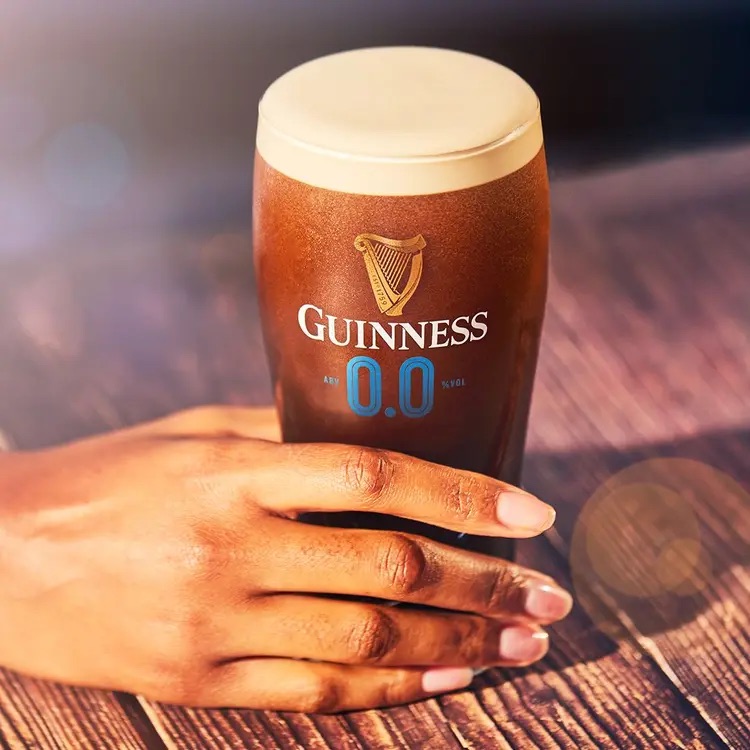

No Alcohol Guinness 😊😊😊

Guinness 0.0, which is set to become available to buy on draught from mid-July, has only been sold in cans in Irish bars up until this point.

Now, publicans have reportedly been told that Guinness 0.0 will be available on draught within a few months, making the stout serve cooler than in its current format.

According to reports, Diageo has been urging pubs to take the 0.0 brand on draught and its teams of are now working to install separate pipes for the 00 brand into venues that want to stock it.

One County Louth publican who is planning to have the 0.0 draught version installed, told reporters: “The drink is very popular with designated drivers who feel they can still have good craic drinking a zero zero and it almost tastes as nice as the real thing. The drink has become a big hit in a very short space of time and now Guinness wants to roll it out everywhere. The reaction to it from the punters is very positive and the 00 obviously has a huge future and is currently the number one non alcoholic drink.”

The Drinks Business

Non-alcoholic Guinness becomes available on draught in Irish pubs @teamdb #alcoholad #drunkaware

Guinness 0.0, which is set to become available to buy on draught from mid-July, has only been sold in cans in Irish bars up until this point.

Now, publicans have reportedly been told that Guinness 0.0 will be available on draught within a few months, making the stout serve cooler than in its current format.

According to reports, Diageo has been urging pubs to take the 0.0 brand on draught and its teams of are now working to install separate pipes for the 00 brand into venues that want to stock it.

One County Louth publican who is planning to have the 0.0 draught version installed, told reporters: “The drink is very popular with designated drivers who feel they can still have good craic drinking a zero zero and it almost tastes as nice as the real thing. The drink has become a big hit in a very short space of time and now Guinness wants to roll it out everywhere. The reaction to it from the punters is very positive and the 00 obviously has a huge future and is currently the number one non alcoholic drink.”

The Drinks Business